Key Factors Affecting the Tone Quality of A Saxophone
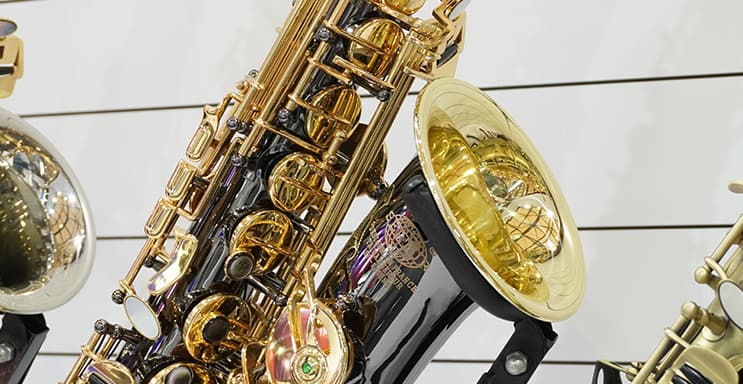
Several Key Factors Determining the Tone Quality of a Saxophone:
**Instrument Materials and Craftsmanship:**
- Grade and alloy ratio of brass (affects resonance characteristics)
- Thickness of the tube body and bell design (determines sound projection)
- Precision of the key mechanism (impacts air tightness)
- Differences between handmade models from renowned brands and mass-produced ones
**Mouthpiece Selection:**
- Chamber size and shape (larger chambers produce darker tones)
- Baffle height (affects brightness and projection)
- Tip opening size (related to breath control difficulty)
- Material (ebonite, metal, or crystal, each with distinct tonal characteristics)
**Reed Pairing:**
- Hardness rating (#2–#5 suitable for different skill levels)
- Brand cutting techniques (affects vibration efficiency)
- Natural cane vs. synthetic materials
- Usage duration and maintenance condition
**Player Technique:**
- Breath control (stability of diaphragmatic breathing)
- Embouchure tightness
- Throat openness
- Ability to fine-tune pitch
**Accessory Influence:**
- Neck design
- Ligature material and pressure
- Anti-slip pad selection
- Frequency of cleaning and maintenance
**Environmental Adaptation:**
- Temperature and humidity changes
- Acoustic properties of the performance space
- Tone adjustment during ensemble playing
**Professional Advice:** Tone quality is the result of an integrated system. Beginners are advised to start with mid-range professional models (e.g., Sertur SP-6300) paired with a mouthpiece and reed combination recommended by a teacher. Through proper techniques, they can gradually develop their unique tonal characteristics.