Jazz Performance Techniques Guide for Alto Saxophone
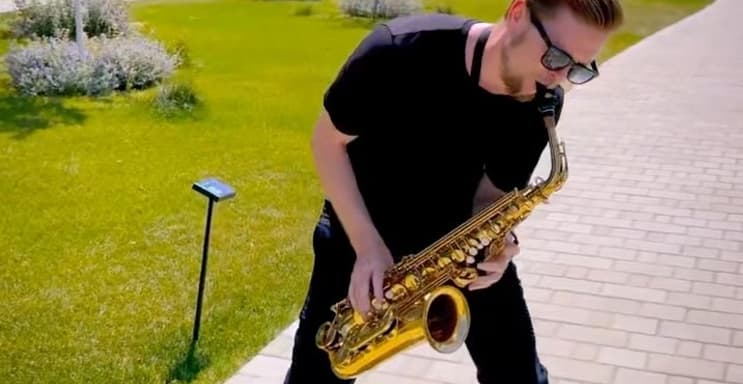
🎷 Alto Saxophone Jazz Performance Techniques Guide 🎷
**Rhythm and Groove - The Soul of Jazz**
The swing feel is the most essential rhythmic characteristic of jazz:
• **Tripletize eighth notes**: The first note is slightly longer, while the second is light and short (think "da-ah").
• Emphasize the **backbeat** (beats 2 and 4) to create groove.
• Maintain rhythmic flexibility, subtly **pushing or pulling** the tempo within a steady framework.
• Master syncopation, dotted rhythms, and other variations.
**Tone Shaping - Expressing Personal Style**
• Use an **open throat** and relaxed jaw position.
• Apply **breathiness** for emotional expression.
• Master **dynamic control**, from very soft (pp) to very loud (ff).
• Recommended jazz mouthpieces: larger tip openings (e.g., size 5).
• Pair with thicker reeds (e.g., Vandoren Java series).
**Core Improvisation Techniques**
• Deeply understand **chord progressions and modal usage**:
- Major modes (Dorian, Mixolydian, etc.)
- Minor variants (harmonic minor, melodic minor)
- Blues scales and diminished scales
• Develop **motivic phrasing**: Expand musical ideas through repetition, sequencing, etc.
• Focus on **target notes** (emphasizing chord tones).
• Maintain **interactive dialogue** with the band.
**Jazz-Specific Articulation Techniques**
• **Diverse attack styles**:
- Hard tonguing (clear and strong)
- Soft tonguing (breath-initiated)
- Scoop attack (sliding up from below)
• **Special release techniques**:
- Upward bend (Doit)
- Downward bend (Falloff)
• **Jazz vibrato**: Later onset, wider, wave-like vibrato.
**Advanced Special Techniques**
• **Glissando applications**:
- Portamento (smooth connection)
- Scoop (sliding up from below)
• **Pitch bending**: Subtle pitch variations for bluesy flavor.
• **Overblowing**: Creating tense effects.
• **Multiphonics**: Producing multiple pitches simultaneously.
**Fundamental Skill Development**
• Daily **long-tone practice** (focus on pitch and tone consistency).
• **Metronome training** (especially swing rhythm).
• **Scale and arpeggio drills** (mastery in all keys).
• **Imitating classic jazz phrases**.
**Recommended Practice Steps**:
1. Master basic swing feel.
2. Start improvising over **12-bar blues**.
3. Gradually tackle classic jazz progressions like **II-V-I**.
4. Listen extensively to legendary jazz saxophonists (e.g., Charlie Parker, Cannonball Adderley).
⚠️ **Note**: Jazz emphasizes **"feel"** over absolute correctness—join jam sessions for real-world practice!