Tender Breath: The Emotional Code in Saxophone Fundamentals
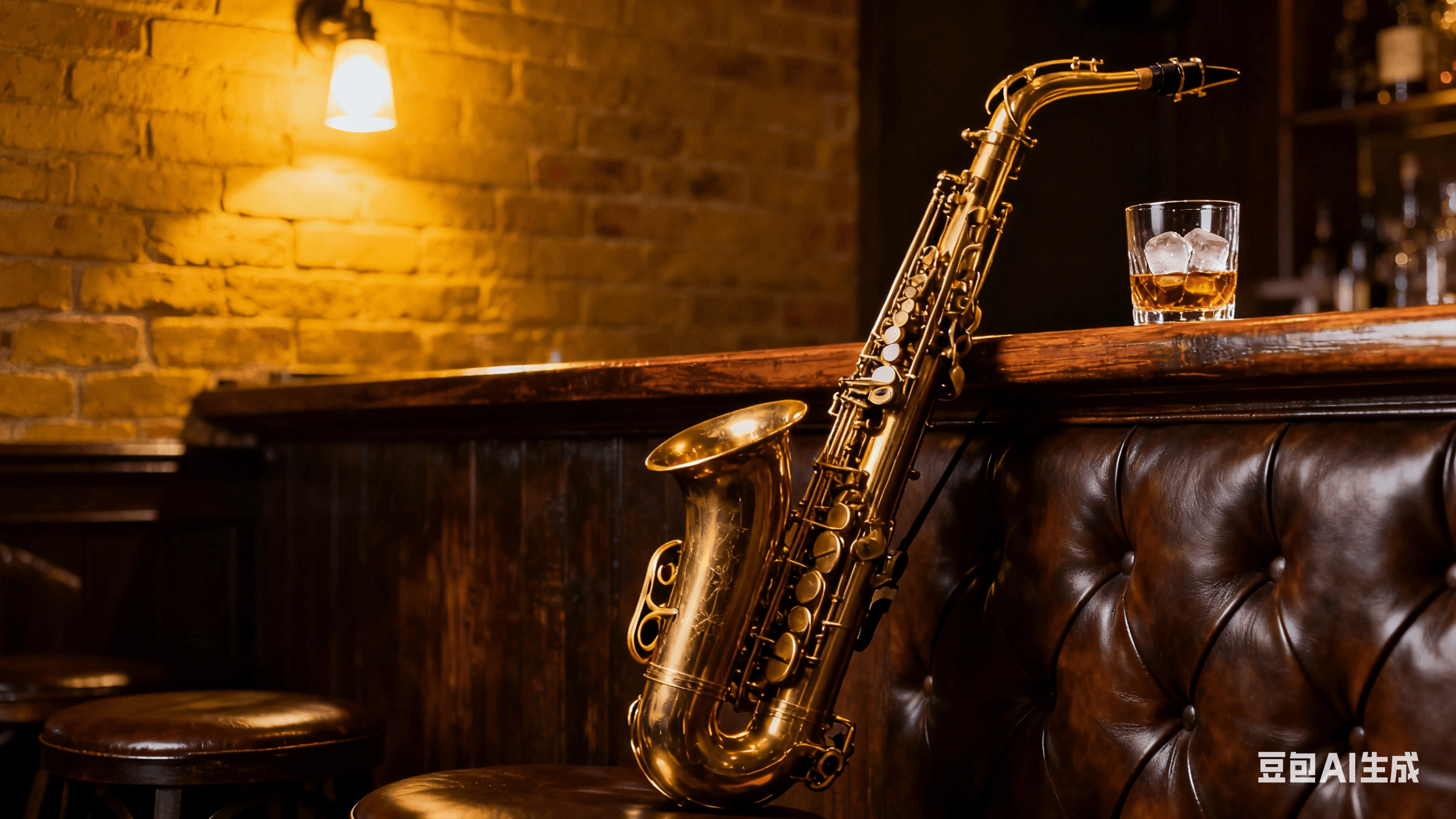
In the world of the saxophone, there is a sound that can directly touch the softest corners of the soul—it is unassuming and quiet, yet it can stir up waves of emotion in stillness. The secret of this sound lies in a seemingly simple yet profoundly profound fundamental skill: soft playing.
A Gentle Challenge: What is True Soft Playing?
Soft playing is far more than simply "playing softly." It is an art form under high control, requiring the player to wield the saxophone's sound with exquisite finesse, warmth, delicacy, and penetrating power. When a saxophonist can play soft notes with clarity and gentleness, without sounding weak or scattered, it signifies that they have transcended the basic technical stage and entered a realm of deep fusion between breath and instrument.
Many people mistakenly believe that soft playing is about being cautious and restraining one's strength, but the opposite is true. True soft playing, the more it strives for ultimate gentleness, the more it requires strong and stable breath support. This seemingly contradictory requirement is precisely the essence of soft playing—creating an extremely gentle external expression with powerful inner strength.
The Melancholy of the Tenor Saxophone: Its Gentle Whisper
Among the saxophone family, the tenor saxophone, with its uniquely warm and mellow tone, is the best vehicle for expressing "melancholy." This timbre, described as "the instrument's gentle whisper," is the ultimate expression of pianistic technique. It is tender and melodious, like a lament, capable of expressing subtle emotions that words cannot describe.
To reach this level, simply mastering pianistic playing is not enough; one must perfectly combine diaphragmatic vibrato with pianistic playing. Diaphragmatic vibrato—the natural sound waves produced through abdominal control—infuses pianistic playing with vitality and depth. Pianistic playing without diaphragmatic vibrato is like still water without ripples, lacking dynamic beauty; while diaphragmatic vibrato detached from pianistic control can become exaggerated and artificial, losing its delicate expressiveness.
The Tedious Practice: The Way of Practicing Pianistic Play
Practicing pianistic playing is a long-term dialogue with one's own patience and perception. There are no shortcuts to this fundamental skill; the core lies in listening more, imitating more, and feeling more.
Long tone practice is fundamental: start softly, gradually increase to a louder note, then slowly return to a softer note, finally ending with a gentle, almost inaudible breath. Throughout this process, the player needs to maintain absolute breath stability, feel the subtle changes in abdominal support, and control the tension of the lip muscles to allow the bamboo to vibrate in the most suitable state.
Practicing soft blowing, especially in the low register, is a significant test of control. The inherent weight of the low register and the lightness required for soft blowing create a natural tension. Only through long-term practice can one find that resonance where breath and soft sound blend, allowing the low register to emanate a soft, misty timbre.
Interestingly, once soft blowing control in the low register reaches a certain level, returning to the middle and high registers reveals a qualitative leap in overall tonal control. The transitions between different registers become smoother, and the emotional expression becomes more delicate and rich.
Three Paths: Analysis of Soft Blowing Techniques
Soft blowing isn't a single method. Based on the interaction between the lips and the bamboo saxophone, it can be mainly divided into three different sound-producing techniques, each with its own characteristics and suitable for different musical styles and expressive needs:
**First: Squeezing the Bamboo** This is a common soft blowing technique in classical saxophone playing. By slightly increasing the pressure of the lips on the bamboo, the amplitude of the bamboo's vibration is reduced, thus producing a soft tone. This method is easy to master and has relatively stable intonation, but it has a significant limitation—when transitioning from soft to loud blowing, the tone often becomes discontinuous, making it difficult to achieve smooth dynamic changes.
**Second: Relaxed Lip Blowing** In contrast to the first method, this method requires the lips to remain relatively relaxed, allowing the bamboo to vibrate more freely. The resulting soft sound has a subtle "rustling" sound, adding a hazy texture to the tone. This blowing technique is particularly suitable for pop music, jazz, and other styles, creating a more intimate and expressive feel closer to the human voice, greatly enhancing the emotional expression of the music.
The third method: Balanced control of the plectrum.
This is the most exquisite and difficult plectrum technique to master, requiring the player to find a perfect balance in lip control—neither too tight to suppress the natural vibration of the bamboo, nor too loose to result in a loose tone. In this state, the bamboo can vibrate freely while being precisely controlled. Its greatest advantage lies in the extremely natural transition between plectrum and loud blowing, resulting in a unified yet layered tone, truly achieving "weak but not weak, loud but not harsh."
The brushstroke of emotion: The wonderful use of plectrum in musical expression.
Plectrum often plays a crucial role in establishing the tone and creating atmosphere in musical works. Many lyrical pieces begin with a soft beat, and it is through the technique of plectrum that the listener is instantly transported into a specific emotional space.
Take the classic Chinese saxophone piece "Fisherman's Song at Dusk" as an example. The opening is introduced with extremely soft blowing, like the subtle ripples on a distant lake. As the melody unfolds, the changes in volume are as natural as breathing, vividly depicting the tranquil scene of the setting sun and fishing boats returning to port. Piacusi (soft saxophone) here is not merely a technique, but a creator of atmosphere—the shimmering water, the gently swaying boat, the fading sound of oars—all are brought to life through subtle breath control.
In jazz, piacusi plays an irreplaceable role as well. Ballad-style works often rely on piacusi to create an intimate, introspective atmosphere, allowing the saxophone's tone to resonate directly and profoundly with the listener, like a late-night whisper.
Crossover Inspiration: Drawing Inspiration from Bel Canto
There are striking similarities between piacusi on the saxophone and vocal techniques. Many experienced saxophone players draw inspiration from the breath control and emotional expression methods of bel canto. The emphasis on "breath support," "vocal placement," and "emotional continuity" in bel canto resonates with the requirements of piacusi on the saxophone.
Listening to saxophone masters like Sam Taylor, it's easy to see the subtle variations and emotional fluctuations in their piacusi techniques, similar to those in the human voice. This cross-disciplinary learning and borrowing has opened up a broader vision for the development of saxophone soft playing techniques.