Detailed Explanation of Glissando Techniques in Saxophone Performance
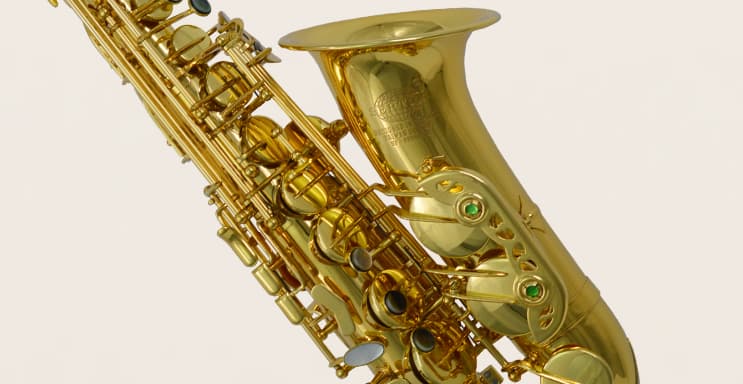
Glissando is one of the most expressive techniques in saxophone playing. By changing the vibrating area of the reed, it creates a smooth transition in pitch, thus giving the melody rich emotional layers. Based on playing style, pitch variation, and application, glissando is mainly divided into four types: downward glissando, upward glissando, compound glissando, and ornamental glissando. The following will systematically analyze the playing techniques, notation methods, and applicable scenarios for each type to help learners master them scientifically.
I. Downward Glissando
The downward glissando is the most basic form of saxophone glissando. Its core lies in expanding the vibrating area of the reed to achieve a downward pitch transition.
Playing Method: Keep the lower lip relaxed and extend it naturally outward, gradually increasing the vibrating area of the reed to smoothly slide the pitch from a high position to a low position.
Interval Range: Usually controlled between a semitone and a whole tone, the transition is natural and not abrupt.
Notation: The glissando symbol is generally placed between two notes to connect the pitch transition; it can also be placed before or after a single note, indicating the start or end of the glissando, depending on the musical expression.
II. Upward Glissando
An upward glissando is the opposite of a downward glissando, achieved by reducing the vibrating area of the reed to create a smooth transition in pitch.
Playing Method: The lower lip, driven by the lower teeth, contracts inward, reducing the reed's vibrating area and allowing the pitch to smoothly glide from a low to a high position.
Standard Form: The glissando slides from a position below the tonic to the tonic, creating a smooth "low to high" transition.
Special Form: The glissando mark is placed after the tonic, and the glissando slides freely upward from the tonic, with no fixed pitch at the end. It is often used to create a lively or expansive musical atmosphere.
III. Compound Glissando
A compound glissando is a combination of downward and upward glissando, requiring flexible switching between the two playing methods.
Two Types:
Upward glissando followed by downward glissando
Downward glissando followed by upward glissando
Effective Characteristics: Creates a fluctuating pitch, enhancing the tension and dynamism of the music.
Applicable Scenarios: Particularly common in the free-spirited styles of jazz and rock; it also effectively conveys a bold and lively flavor in works with ethnic styles from Inner Mongolia and Xinjiang in my country.
IV. Ornamental Glissando
An ornamental glissando is a fast, short glissando, achieved through a smooth slide of a semitone or whole tone, serving to embellish the melody and connect intervals.
Performance Characteristics: A fast, smooth upward or downward slide with a short duration.
Main Uses: Used to connect two notes with a large interval, compensating for the abruptness of interval jumps and making the melodic line smoother and more fluid.
V. Performance Precautions
Glissando is an expressive technique that combines feeling and technique. It is difficult to master through theoretical knowledge alone; it requires repeated practice and auditory feedback to gradually develop correct muscle memory.
Core Points:
Smoothness of Pitch: Maintain steady breath during the glissando to avoid breaks or pauses in pitch.
Pitch Control: Regardless of the size of the glissando range, ensure accurate pitch transitions and avoid deviation from the target note.
Application Principles: When used properly, glissando can greatly enhance the musicality; however, if overused or misused, it can disrupt the integrity of the melody and sound abrupt and jarring. Learners should use glissando techniques reasonably and sparingly, according to the style and emotional needs of the piece.